Inspections
Wind Mitigation Inspections in Florida: What They Are and How They Lower Your Premium
What is a wind mitigation inspection?
It's the cheapest paperwork in Florida insurance. A qualified inspector — a licensed contractor, home inspector, engineer, or architect — examines how your home is built to resist wind and records the findings on the Uniform Mitigation Verification Inspection form, OIR-B1-1802, the standard form adopted by the Florida Office of Insurance Regulation. Your insurer then applies the discounts your construction has already earned. The completed form is generally good for up to five years.
Two things it is not: it is not pass/fail, and it is not the same as a buyer's home inspection or a 4-point. It is purely a discount scorecard. And in the state the National Hurricane Center ranks as the most hurricane-struck in the country — Volusia County alone felt Ian and Nicole in 2022 and Milton in 2024 — the wind portion of your premium that those discounts apply to is usually substantial.
What are the seven features inspectors verify?
Form OIR-B1-1802 covers seven categories, most of them about your roof:
- 1. Building code era — was the home permitted under the 2001 Florida Building Code (effective March 2002) or later?
- 2. Roof covering — was the current roof permitted and installed to modern code?
- 3. Roof deck attachment — the nail size and spacing holding the plywood deck to the trusses.
- 4. Roof-to-wall attachment — toe-nails, clips, or single/double wraps tying the roof structure to the walls.
- 5. Roof geometry — hip roofs (sloped on all sides) earn the best marks for shedding wind.
- 6. Secondary water resistance (SWR) — a sealed deck or peel-and-stick underlayment that keeps water out even if the covering blows off.
- 7. Opening protection — impact-rated windows, doors, and shutters.
The inspector photographs everything — attic nailing patterns included — so the insurer gets proof, not promises. The difference between “toe-nailed” and “clips” on line 4 alone can move a premium meaningfully.
How much can it lower your premium?
This is the rare discount insurers are required by law to give: Florida Statute 627.0629 mandates that residential insurers file rates with credits for construction features that reduce windstorm losses. The exact dollar amount varies by insurer, home, and location, but for homes with good features the savings commonly run into the hundreds of dollars per year — because the credits apply to the windstorm portion of the premium, which in Florida is often the largest slice.
Every major carrier, including state-backed Citizens Property Insurance, accepts the OIR-B1-1802 form, and the Florida CFO's consumer resources explain the credits in plain language. If you have never submitted a wind mitigation report — or your last one is more than five years old — there is a real chance you are overpaying right now.
Overpaying for Wind Coverage?
If your roof was replaced and your insurer never saw a wind mitigation report, you may be leaving money on the table every single year. Start with a free roof inspection.
When does the inspection pay for itself?
Run the math on a typical case. The inspection commonly costs $75 to $150 and the report is generally valid for up to five years. If it unlocks even $300 per year in credits — a common outcome for a home with a newer, code-built roof — that's roughly $1,500 in savings over the life of one report, a ten-fold return on a one-hour visit.
When does it not help? Mostly on older homes with pre-code roofs, toe-nailed trusses, and no opening protection — there is simply little to credit. But even then the report earns its fee, because it becomes a prioritized shopping list of exactly which upgrades will cut your premium.
How can you improve your wind mitigation results?
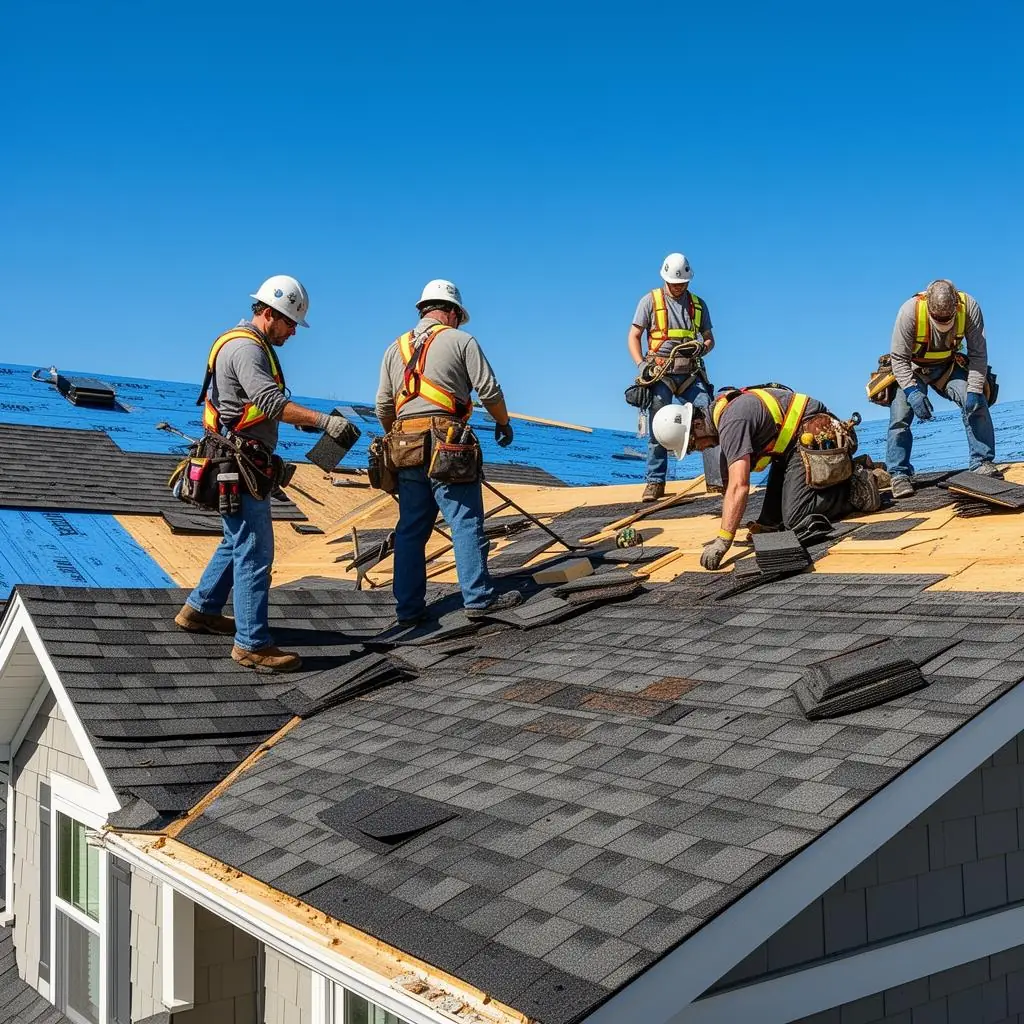
The single biggest lever is a roof replacement. Florida code requires the deck to be re-nailed to current standards during a re-roof, and adding a peel-and-stick secondary water barrier at the same time is cheap — so one project can upgrade categories 2, 3, and 6 in a single permit. A metal roof earns its wind reputation here too, though any covering installed to current code scores well.
- Re-roof to current code and ask for secondary water resistance while the deck is exposed.
- Add impact-rated opening protection — shutters or impact windows on every opening.
- Retrofit roof-to-wall straps or clips where accessible; FEMA's mitigation guidance covers these retrofits in detail.
- Keep your permit records — a documented, permitted roof is what turns features into credits.
How do you schedule one in Volusia County?
Heritage Roofing & Repairs performs wind mitigation inspections as part of our roof inspection services across DeLand, Deltona, Daytona Beach, and the rest of the county — Florida license CCC1333379, serving Volusia since 2010. Because we're roofers first, we can also pull your roof's Volusia County permit history and tell you honestly whether an upgrade is worth it before you spend a dime.
Not sure what shape your roof is in at all? Start with our free roof self-check tool, or book a free roof inspection from our home base in DeLand and we'll look at the whole picture — condition, remaining life, and the insurance credits you may be missing.
Savings figures are illustrative and vary by insurer, policy, and home; inspection pricing reflects typical Central Florida rates in 2026. This article is general guidance, not insurance, legal, or financial advice — confirm credits and requirements with your insurer or agent.