Insurance & Claims
Florida Roof Insurance Claims: Step-by-Step Guide After Storm Damage
What should you do in the first 48 hours after storm damage?
Volusia County knows this drill too well — Hurricanes Ian and Nicole both hit us in 2022, and Milton crossed Central Florida in October 2024. When the wind dies down, the first two days shape the entire claim:
- Safety first. Stay off a damaged roof and away from downed lines. No claim is worth an ER visit.
- Photograph everything before touching it. Wide shots, close-ups, interior stains, debris in the yard — timestamped photos are the backbone of your claim.
- Mitigate further damage. Florida policies require reasonable steps to prevent the damage from getting worse. A properly installed tarp is usually enough.
- Keep every receipt. Tarping, temporary repairs, even hotel nights can be reimbursable under many policies.
- Report the claim promptly. Call your insurer or agent and get a claim number in writing.
- Hold off on permanent repairs until the adjuster has seen the roof — repairs first, inspection second is a classic way to shrink a payout.
FEMA also recommends documenting your home's condition before each hurricane season — a ten-minute photo walk-through every June makes any later claim dramatically easier to prove. Our free printable storm damage checklist walks you through every step above.
What are Florida's deadlines to file a roof claim?
The clock is shorter than most homeowners realize. Under Florida Statute 627.70132, as reformed in the December 2022 special session, you have one year from the date of loss to file a new hurricane or windstorm claim, and 18 months from the date of loss to file a supplemental claim for damage discovered or costs incurred after the first payout. Miss the window and even a legitimate claim can be barred.
Practical translation: don't “wait and see” through a rainy season. Wind damage hides under lifted shingles, tarps degrade in Florida sun within months, and every passing storm blurs the line between the original loss and new damage. The Florida CFO's Division of Consumer Services publishes free claim guides and operates a consumer helpline if you're unsure where you stand.
How does the insurance adjuster process work?
Once the claim is filed, the process usually runs in this order:
- You report the loss and receive a claim number.
- The insurer assigns an adjuster who inspects the roof and writes a damage estimate.
- The insurer issues a coverage decision and payment, minus your deductible — for named storms that's typically a hurricane deductible of 2%, 5%, or 10% of your dwelling coverage.
- If your policy pays replacement cost, part of the money (recoverable depreciation) is often held back until the work is completed and documented.
You have every right to have your own licensed roofing contractor on the roof when the adjuster is — and it changes outcomes. Adjusters see dozens of roofs a week; a contractor who has already photographed and chalk-marked every wind crease makes sure nothing gets missed. That walk-through is a standard part of our storm damage and insurance claim service.
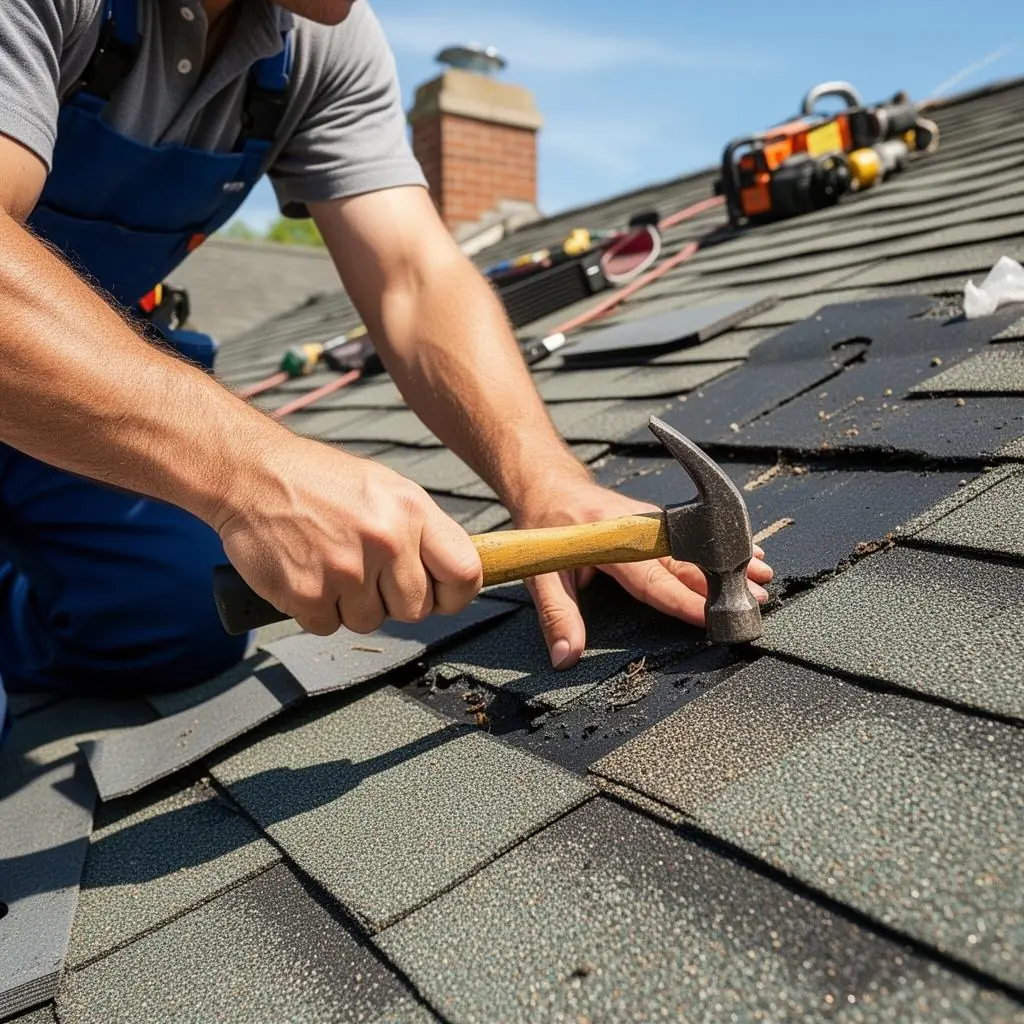
Storm Got Your Roof?
We inspect for free, document every bit of damage with photos, and tell you honestly whether a claim is worth filing — before you call your insurer.
What mistakes get Volusia County claims denied?
After 15+ years of storm work in this county, the same avoidable mistakes come up again and again:
- Waiting too long. Months of delay invites both the one-year statutory bar and a “that's old damage” dispute.
- Claiming wear and tear. Insurance covers sudden, accidental damage — not a 20-year-old roof that finally gave out. A candid contractor tells you which one you have.
- Thin documentation. No photos before cleanup, no receipts, no dates — the adjuster can only pay for what can be proven.
- Permanent repairs before the adjuster's visit. Tarp and mitigate, yes; re-roof, no.
- Signing with storm-chasing door knockers. Verify a Florida roofing license (ours is CCC1333379) and a local address before signing anything.
- Signing away your claim. Florida's reforms prohibit assignment-of-benefits agreements on policies issued since January 1, 2023 — a contractor should work for you, not own your claim.
What if your claim is denied or underpaid?
A denial letter is not the end of the road. Ask the insurer for its reasoning in writing, then consider your options: a supplemental claim within the 18-month window if damage was missed, the free mediation program run through the Florida Department of Financial Services, or the appraisal clause found in many policies. Insurers themselves are regulated by the Florida Office of Insurance Regulation, and if you're insured by state-backed Citizens, it publishes its own step-by-step claims process.
Often the most useful first move is simply a second set of trained eyes: a licensed roofer's photo-documented inspection showing exactly what the adjuster's estimate missed is the evidence a supplemental claim is built on.
How does Heritage help with roof insurance claims?
We are roofers, not public adjusters or attorneys — and that's exactly the help most claims need. Heritage Roofing & Repairs (Florida license CCC1333379, serving Volusia County since 2010) documents the damage with a photo report, installs emergency tarps, meets your adjuster on the roof, and then performs the repair or full replacement to current Florida Building Code — with a 5-year workmanship warranty on top.
We're headquartered in DeLand and run storm calls across the county, from Daytona Beach to Deltona. If a storm has been through — or you just want your roof documented before the next one — start with a free roof inspection.
This article is general guidance for Florida homeowners, not insurance, legal, or financial advice. Policies differ; confirm deadlines, coverage, and duties after loss with your own policy, your insurer, or a licensed professional.